

Simple Acts of Kindness for Kids: 31 Ideas to Build Empathy
31 simple acts of kindness for kids that build empathy and create meaningful family traditions. Easy, screen-free activities for ages 3-8.
Table of Contents
- Simple Acts of Kindness for Kids at Home
- Random Acts of Kindness for Kids: Ideas Beyond the Obvious
- Kindness Activities for Kids in the Community
- How to Teach Empathy to Toddlers Through Kindness
- Start a Kindness Challenge for Kids This October
- Sharing and Giving: Teaching Generosity Through Kindness
- Making Kindness Stick: Building a Lasting Tradition
- Frequently Asked Questions
Last Updated: October 18, 2026
Simple Acts of Kindness for Kids at Home
Teaching children to practice simple acts of kindness for kids doesn't require elaborate setups or expensive programs.
Daily kindness routines fit naturally into family schedules. A child who helps set the table, notices when a sibling feels sad, or leaves an encouraging note for a parent is practicing kindness without fanfare.
At Boo Buddy Magic, we've designed our approach around the reality of busy families. Parents don't need one more thing to manage.

Daily kindness routines that fit into your family schedule
Morning check-ins take two minutes. Ask your child: "Who could use a kind word from you today?" Lunch notes, a single sentence, a drawing, a sticker, teach kids that small gestures matter.
These routines don't demand perfection. Some days your child will engage fully. Other days they'll shrug and move on. Consistency matters more than enthusiasm.
Low-cost, no-prep ideas for busy parents
You don't need supplies or planning time. Here are ideas that take under five minutes:
- Help a family member find something they lost
- Draw a picture for someone who's sick or sad
- Tell a sibling something you appreciate about them
- Help carry groceries or unload the dishwasher without being asked
- Let someone else pick the movie or game
- Compliment a friend on something they did well
- Share a snack with someone who forgot theirs
These fit into any day. No materials. No setup. Just intention.
Random Acts of Kindness for Kids: Ideas Beyond the Obvious
Random acts of kindness for kids go beyond the expected. Instead of the typical "help an elderly neighbor" suggestion, consider ideas that surprise and delight. A child leaving a coin taped to a vending machine.
The element of surprise makes kindness memorable. Your child sees the impact immediately, or imagines it, and learns that generosity creates joy.
Kindness ideas for different ages and abilities
Five-year-olds can follow a two-step idea: "Let's make a card for Grandma, then we'll mail it." They understand that actions have delayed effects.
Seven- and eight-year-olds grasp abstract kindness. They understand that someone they've never met might need help.
Tailor ideas to your child's developmental stage. A three-year-old won't understand "donate to a food bank," but they can help put canned goods in a bag.
Inclusive activities for neurodivergent and sensitive children
Not every child shows kindness the same way. A highly sensitive child might feel overwhelmed by group service projects.
Offer choices. "Would you rather make cards or help organize toys for donation?" Some children express kindness through actions (helping), others through words (compliments), others through creativity (drawing, building).
Respect sensory preferences. A child who dislikes loud environments won't enjoy a crowded volunteer event. Instead, suggest quiet kindness: writing letters, decorating packages, organizing items at home.
Kindness Activities for Kids in the Community
Community kindness expands a child's world beyond family. It shows them that their actions ripple outward. A child who rakes leaves for a neighbor, collects books for a little library, or makes blankets for a shelter learns that they have real power to help.
Helping older adults and neighbors
Older adults often appreciate practical help: yard work, grocery carrying, technology assistance, or simply sitting and talking. A child who helps rake leaves or pull weeds learns that strength and energy are gifts to share.
Structured intergenerational programs exist in many communities, senior centers often welcome young volunteers. But informal connections work just as well.
School and classroom kindness projects
Teachers recognize kindness's power. Many classrooms run kindness challenges or buddy systems where older students help younger ones. Some schools have kindness clubs or community service projects.
If your child's school doesn't have a formal program, suggest one. A classroom kindness calendar (one act per day) takes minimal teacher time but builds culture.
How to Teach Empathy to Toddlers Through Kindness
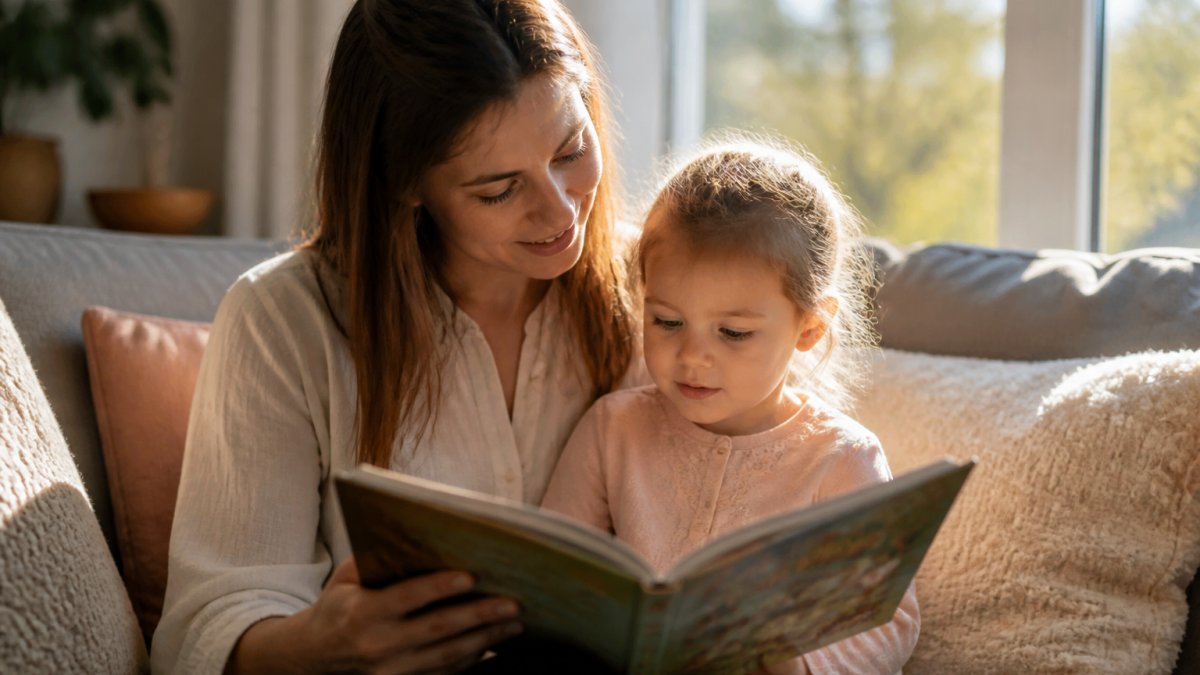
Empathy is learned, not innate. A toddler doesn't automatically understand that others have feelings. Teaching empathy through kindness activities, where the child sees the connection between their action and someone else's happiness, builds this understanding.
Building emotional vocabulary and recognition
Name emotions as they happen. "Your sister is crying. She feels sad because her toy broke." "Grandpa is smiling.
Read books that explore emotions. Stories show characters feeling sad, angry, scared, or happy, and the consequences of kindness or cruelty.
Ask questions that prompt empathy: "How do you think she felt when you shared your snack?" "What could we do to help him feel better?" These questions teach children to consider others' inner lives.
Modeling kindness so children see it in action
Children learn empathy by watching you practice it. When you notice someone struggling and help without fanfare, your child sees kindness as normal.
Narrate your kindness: "I'm calling Aunt Sarah because she had a hard day and I want to check on her." "I'm donating these clothes because another child might need them." Children internalize these patterns.
Avoid praising kindness in ways that suggest it's unusual or reward-worthy. Instead of "You're so kind for sharing, here's a treat," try "I noticed you shared.
Start a Kindness Challenge for Kids This October
October is the perfect month for a kindness challenge. As Halloween approaches, redirect the focus from candy and costumes toward meaningful connection. A month-long challenge builds habit and creates lasting tradition.
Creating a daily kindness habit without pressure
A kindness challenge works best when it's simple and judgment-free. The Boo Buddy Arrival Box includes 31 daily kindness cards, one prompt for each day of October.

The structure removes decision fatigue. Your child doesn't wonder what kindness means today. They pull a card and go. Some days they'll engage fully.
Avoid turning it into a performance. The goal isn't to earn praise or rewards. It's to practice kindness until it becomes automatic.
Measuring impact in ways that matter
Don't ask "Did you do your kindness today?" as if it's a chore to check off. Instead, notice impact.
Some families keep a "kindness jar" or visual tracker. A child adds a marble, colors in a square, or writes down what they noticed.
The real measure isn't completion. It's whether your child begins noticing opportunities for kindness without prompting. That's when the habit has taken root.
Sharing and Giving: Teaching Generosity Through Kindness
Generosity is kindness in action. A child who shares a toy, donates a book, or gives away outgrown clothes learns that having enough means others can have some too. This builds gratitude and reduces entitlement.
Book donations, toy swaps, and thoughtful gift-giving
A child's bookshelf often holds books they've outgrown. Donating them to a little library, school, or younger sibling teaches that stories can be shared.
When giving gifts, involve your child in selection. "What do you think your cousin would enjoy?" "Which of your toys could make another child happy?" This shifts focus from acquisition to thoughtfulness.
Writing letters, notes, and kind messages
Handwritten notes carry weight. A child who writes to a grandparent, teacher, or friend learns that words matter.
Keep it simple. A three-year-old can dictate a message while you write. A five-year-old can draw pictures with a few words. An eight-year-old can write independently.
Deliver notes in person when possible. Watching someone read your words and smile teaches the real power of kindness.
Making Kindness Stick: Building a Lasting Tradition
Kindness becomes tradition when it's consistent, low-pressure, and tied to your family's values. A child who practices kindness in October and then stops until next year hasn't built a habit. A child who sees kindness as part of how your family operates year-round internalizes it.
Why consistency matters more than perfection
A child who does one kind act every day learns the behavior. A child who does ten acts once and then nothing learns that kindness is optional.
Don't aim for perfection. Some days your child will be tired, grumpy, or resistant. That's normal. The goal is that kindness becomes the default, not the exception. Over months and years, this shapes character.
Celebrating small wins without rewards or bribes
Notice and name what you see. "You remembered that your friend doesn't like loud noises, so you played quietly.
These observations matter more than stickers, prizes, or praise.
Family traditions cement the habit.
Teaching simple acts of kindness for kids is one of the most important investments you can make in their character.
The Boo Buddy Arrival Box ($39.00) transforms October into a kindness tradition. For families wanting a more complete experience, the Ultimate Glow Bundle ($49.00) includes a coloring adventure book, glow keychain, and glow bracelet, keeping the magic alive beyond October.

Start small. Pick one routine. Notice what happens when your child practices kindness consistently.
Frequently Asked Questions
What are some simple acts of kindness kids can do at home?
Simple acts of kindness for kids at home include helping with chores without being asked, sharing toys with siblings, giving hugs or drawing pictures for family members, setting the table, and helping a parent prepare a meal. Young children (ages 3-5) can offer comfort when someone is sad, while older kids (6-8) can write thank-you notes or organize a toy donation. The key is choosing activities that feel natural and require no special supplies, kindness thrives in everyday moments.
How do I teach empathy to toddlers through kindness activities?
Teaching empathy to toddlers starts with naming emotions: "That made your friend sad" or "Look how happy Grandma is when you help." Read picture books about kindness and feelings, point out when others are happy or upset, and model kind behavior yourself. Let toddlers practice small acts like helping a younger child, sharing snacks, or petting a pet gently. Avoid forcing kindness or rewarding it, let them see that good feelings come naturally from helping others. Consistency and your own example matter far more than lectures.
What are random acts of kindness kids can do for strangers or neighbors?
Random acts of kindness for kids include raking leaves for an older neighbor, leaving coins at a vending machine, drawing pictures for a nursing home, shoveling snow for someone who can't, leaving quarters in parking meters, creating little blessing bags with snacks for homeless individuals, or planting flowers in a community garden. Even simple gestures like holding a door, helping someone carry groceries, or complimenting a stranger build a child's sense of connection. Supervise young children during these activities, and let them choose what feels right to them.
How can I start a kindness challenge for kids that actually works?
A kindness challenge for kids works best when it's low-pressure and built into daily routine. Use a simple prompt each day (one kind act), celebrate effort rather than perfection, and avoid rewards or competition. The Boo Buddy Arrival Box includes 31 daily kindness cards for October that remove the guesswork, each card suggests an age-appropriate activity that takes just minutes. Let your child choose how to complete each act, and focus on the feeling of helping rather than proving they did it. Consistency matters more than complexity.
What's the difference between teaching kindness and creating guilt or pressure?
Kindness becomes pressure when it's forced, rewarded, or used to shame children ("Why aren't you being kind?"). Healthy kindness teaching is joyful and optional, you model it, offer opportunities, and let children choose. Avoid phrases like "You should feel good about helping" or tracking kindness with charts that feel like performance. Instead, notice and name what you see: "That was thoughtful" or "I noticed you helped." Let natural positive feelings emerge. When kindness feels like a burden, children resist it. When it feels like a game or family tradition, they embrace it.
Prev post

How to Start Halloween Kindness Traditions That Stick
Updated on 18 October 2026
Next post

Positive Reinforcement for Young Children: A Practical Guide
Updated on 16 October 2026


